#The Absurdly Simple Guide to Creating Hilarious Scripts for Advertising Video Production

Lights. Camera. ACTION! But wait, what action are we even shooting here? Ah yes, that mildly amusing, colorfully immersive, emotion-trapping piece of video that’s supposed to sell, well, stuff. And the core of this visually stunning masterpiece? You guessed it: a good old script.

Writing scripts for video production in advertising agencies is nothing short of a herculean task of juggling creativity, practicality, and a horde of picky clients. Let’s pull back the curtain and have a laugh as we navigate the seas of video production scriptwriting. Strap in; this rollercoaster ride of words, emotions, and motion graphics is about to start!

1-Hilariously Intricate Art of Storytelling

Scriptwriting is predominantly about storytelling. But remember, Humour is subjective and just cracks of the punchline won’t do. The whole narrative must be a delicate weave of dialogues, actions, scenery, and, most importantly, humour.

“What?” You gasp. “I have to use graphic design in my script now?”

Well, not exactly. Visual communication through design elements can be a pivotal aspect of your video’s emotional impact. Think of your script as an illustrated children’s book, but instead of drawing badgers dancing in flowery meadows, you’re illustrating how your newest product makes life less of a chore.

Let your script reflect the clutter-breaking visuals your video will bring to life; you’re selling ideas and emotions, wrapped in a story that’s worth sharing.

2-Laugh-inducing Characters or Stereotypes.

We all know unforgettable characters make a story explode to life in brilliant colours. And stereotypes—oh, such joy! You can either use stereotypes to tickle the viewers’ funny bone or strategically break them for added hilarity.

Here’s a tip: Try reading your characters in different voices, see if they still make you laugh. It’s a foolproof way to ensure your characters aren’t as flat as a pancake. Remember: Different isn’t always funny, but funny is always different.

3-Be the King of Brevity and Clarity.

As Shakespeare pointedly said, “Brevity is the soul of wit.” (And he would know, he’s written loads of stuff.) When it comes to video scripts for advertising, it’s not about how much you say, but how well you say it.

We aren’t trying to rewrite the ‘War and Peace’ here. Advertisements strive for maximum impact with minimum airtime. Your viewers aren’t in for a three-act drama. Keep it concise and clear, with a generous sprinkle of humour spread throughout, of course.

4-Turn Misery into Comedy!

As Charles Dickens might say if he were an advertising writer, “It was the best of ads, it was the worst of ads.” And often, the most effective humour derives from human misery—relatable, harmless, everyday misery.

Maybe it’s the universal struggle of trying to open a tight jar lid, or it could be the hilarious horror of low phone battery in crucial moments. Start looking at everyday challenges as opportunities for comedic gold.

5-Imply, Don’t Spell Out!

Have you noticed how the funniest jokes are the ones where you connect the dots yourself? Your audience is intelligent and savvy. They appreciate a bait set for some thinking and a hearty laugh afterwards. Try to use graphic design aspects to visually imply rather than explicitly spell it out.

By allowing your audience room to think and interpret, you not only engage them but also land yourself a memorable ad.

6-Test. Tweak. Repeat.

Last but not least, test your scripts on actual people. Note the parts where they laugh, seem bored, or cringe. Be brave, listen to feedback, even if it breaks your heart. Then adjust, rewrite, and repeat. Trust us, it’s worth it when you receive positive feedback after the final video is out!

Conclusion

Writing scripts for video production is truly an art and a science. You need the creativity to imagine those humour-infused stories and the technical know-how to translate them into lucid scripts that a production team can visualize.

Striking a balance between informative and entertaining can be a tightrope walk, but with these humble tips, we hope you’re now well equipped to craft funny video scripts that could outshine the sun. Remember, everyone loves a good laugh, and if you can deliver it while selling something, you’re winning at advertising!

In the world of producing videos laden with graphic design elements, the pen (or rather, the keyboard) is indeed mightier than the sword! Happy scripting, comrades!
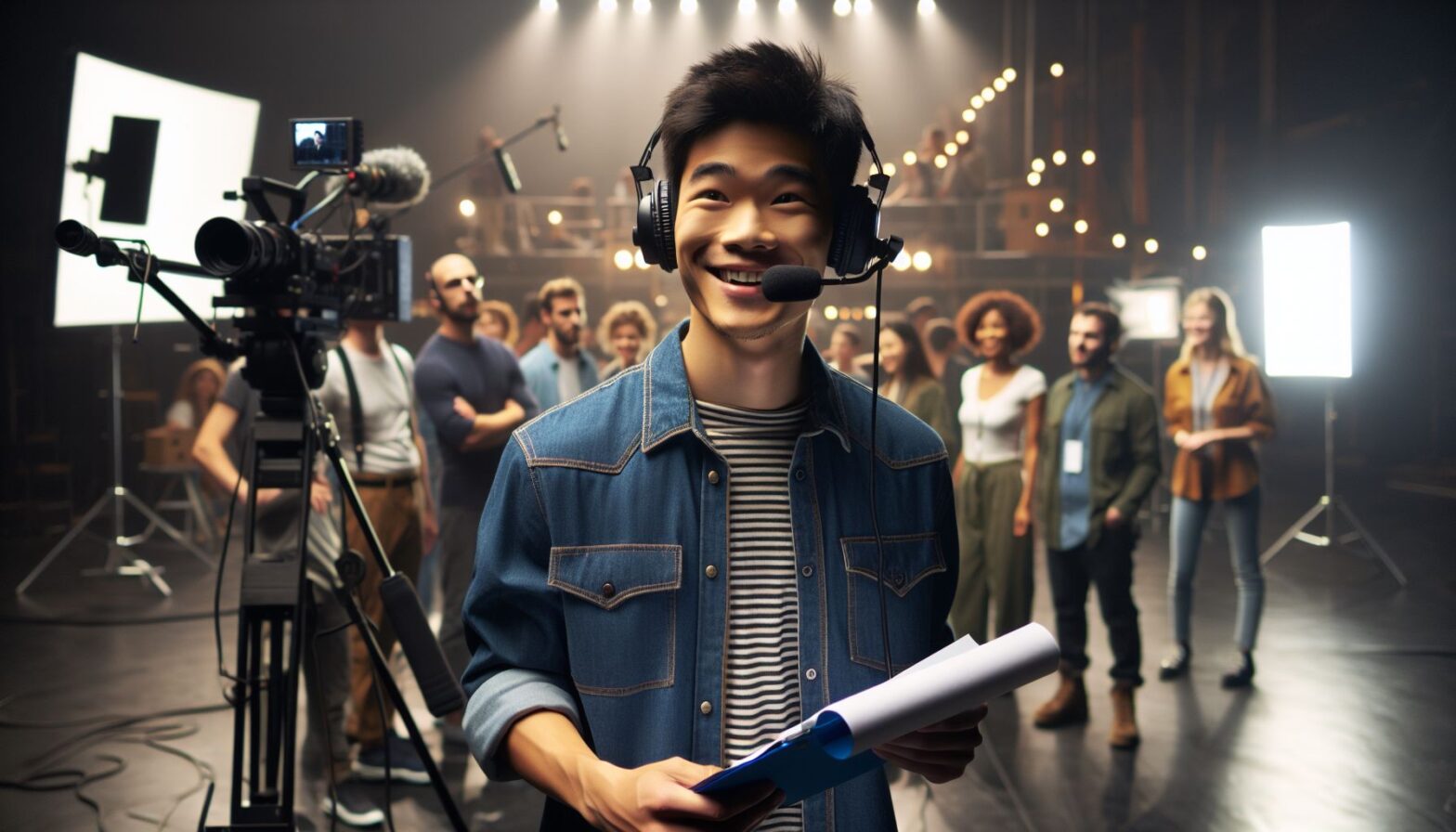
Creating Video Content to Forge Your Path as an Influencer: A Stern Guide for Internet Marketers

The realm of digital marketing is vast, competitive and unforgiving. If you dare to dive into its depths without preparation, it may swallow your dreams and ambitions whole. This is particularly true when it comes to becoming an influencer, especially through video content. Therefore, prepare, persevere and brace yourself to swim against the tide that pulls you backwards.

In this ruthless, grueling game, your best asset is high-quality, engaging video content. If you think a few hastily-recorded clips and tacky sound effects will make you the next YouTube sensation, you are woefully mistaken. Comprehensive use of video advertising and sound design is what will set you apart.

Armoring up: Preparing for the Content War

Before you even begin creating your video content, prepare. Understand your audience, fine-tune your marketing strategies, and get ready for the long haul. You cannot expect to become an influencer overnight. Map out your game plan, set realistic goals, and remain committed, even when the odds seem unfavorable.

Igniting the Forge: Creating Video Content

Once you have your preparations in place, the next step is creating your videos. Your content should be more than just engaging; it should be compelling and unique. Be certain, video content creation is not child’s play. It requires varied skills — from conceptualisation and planning to filming and editing — to produce content of tested quality.

Playing with Fire: Persistence in Creation

Consistency is the name of the game. You start, you keep going. Tireless persistence is what will feed your growth. Audiences want to see that you are committed — reflect that in your regular posting schedule and consistent video quality.

Sculpting the Blade: Strategies in Video Advertising

Video advertising is no walk in the park. It’s a strategic battlefield where every move counts. From pre-production planning to post-production techniques, every stage needs concerted efforts. Key areas to focus on are catchy headlines, tantalizing thumbnails, engaging content, and of course, optimized video SEO. You need viewers to find your content amidst the ocean of videos. That’s where intelligent and well-thought SEO comes in.

Making Some Noise: Sound Design

A video without sound is like a blade without an edge; it won’t cut. Sound design is a critical, oft-overlooked component of video creation. Background music, audio effects, voiceovers — all contribute significantly to the viewer experience. Remember, your aim is not just to turn heads; you need to captivate hearts. And sound, used skillfully, can touch the audience emotionally like no other medium.

Taming the Beast: Seamless Integration of Sound

Just as a mismatched handle destroys the balance of a sword, desperate sound design can ruin video effectiveness. Implementing sound design should be done tastefully, ensuring it complements the visuals, and not overshadow them.

Sound design can be used to set the mood, direct attention, provide information, and evoke emotional responses. Put simply, it’s a powerful tool. Handle it with care.

Standing Tall in the Arena: Becoming an Influencer

Once you’ve weathered the storm of video content creation and sound design, you are ready to step into the colosseum of digital marketing. But remember, becoming an influencer isn’t about personal glory; it’s about influencing others, making a difference in their lives.

An Unconquerable Will: Channeling Influence

Now, as an influencer, your asset is your voice. It should echo through every video, resonate in every word. Channel this influence to promote your brand, advocate for your cause, or simply to entertain. The choice is yours.

In Conclusion: The Battle Ahead

Don’t expect an easy victory. The path to becoming an influencer is fraught with challenges that will test your resolve at every turn. The demands of creating high-quality video content, leveraging video advertising, and integrating sound design can be intense.

Remember, success doesn’t come knocking at your door. You have to chase it, sometimes down rocky roads, up steep mountains, across treacherous terrains. Brace yourself for this journey, sharpen your video content, and wield it like a mighty sword.

Becoming an influencer isn’t a game of chance. It’s a well-strategized battle. Play to win.

Making The Most Of Video Production As A Young Adult

As a young adult, delving into the world of video production can be immensely exciting, especially in an era where streaming videos are the go-to media format for most people. Whether you’re looking to ace media school projects, launch a YouTube channel, or simply enjoy the art of storytelling via moving images, understanding the basics of video production is essential. And yes! Involving sound engineering services too, makes it all better.

Essential Steps Involved In Video Production

1. Pre-Production

The pre-production stage is where you lay the groundwork for your video. It involves several critical decisions and tasks like scriptwriting, planning, budgeting, and securing the necessary permits or agreements. You also get to decide on your characters, locations, props, and shooting schedule. In essence, pre-production sets the template for your actual production.

However, a crucial part during this phase which is often overlooked is the need for sound arrangement. Even at this stage, you should already consider working with a sound engineer. Having an expert on board early can help you plan your sound effects and background music better, which would only strengthen your story and make your video compelling.

2. Production

The production stage is when the actual filming occurs. It requires managing personnel, equipment, and sets to capture the footage you need. This phase can be both exhilarating and tedious. It involves pulling together all your resources, managing unexpected situations, and ensuring that you capture your vision.

Sound engineering plays a vital role in this stage too. A sound engineer attends to and captures all the sound requirements, ensuring that they are top-notch. They administer all the microphones, advise on sound effects, and manage any real-time audio issues that may surface on the set.

3. Post-Production

Post-production is where everything comes together. The footage gets reviewed, arranged, and edited to create your final video product. This step also involves adding effects, animations, voice-overs, and music tracks.

In this phase, a sound engineer can fine-tune all the audio components of your video. They are responsible for the audio mixing and mastering, which are essential to provide an immersive experience for your viewers. So, next time you see a movie, take note of how significant the role of sound plays..

Tools Required For Video Production

In our modern digital age, lavish studios and expensive movie cameras aren’t necessarily needed to start making videos. Here’s a list:

  1. Camera: A smartphone with a high-quality built-in camera can suffice for beginners.
  2. Tripod: This ensures that your shots are stable and professional-looking.
  3. Microphone: Audio is just as vital as visuals. A decent microphone can drastically improve your video quality.
  4. Lighting: Adequate lighting can transform your videos, bringing out colours and details that can significantly improve your production value.
  5. Editing Software: There are several affordable and easy-to-use editing software options available, both for video and audio editing.

Video production and sound engineering may appear daunting at first, but they’re amazingly rewarding once you get the hang of it. As a young adult, now is a perfect time to hone your skills and harness your creativity.

Conclusion

Video production is an exciting and rewarding field to dive into, especially as a young adult. By following the steps of pre-production, production, and post-production, and utilising tools like cameras, microphones, lighting, and editing software, you can create engaging and professional-looking videos.

Remember to also pay equally focused attention to sound engineering. A professionally recorded and mixed sound can be a game-changer in overall video production quality.

With dedication, an open mind, and constant practice, your venture into video production can turn into a lifelong passion or even a lucrative career. Good luck!

Unleashing the Secret Fun of Teen Video Advertising: Comedy is the Key!

Ever since we, the adults, got swept off our feet by the video marketing windstorm, our teenage counterparts have perhaps been feeling a tad bit left out. I mean, why should adults have all the fun, right? The time has come to unleash the mysterious yet amusing world of video advertising for teenagers. Fasten your seatbelts because we’re about to turn the boring canvas of video ads into a rainbow-bursting carnival!

Just more than TikTok!

Teenagers and video ads – sounds as incompatible as water and oil, doesn’t it? But wait until you get the flavor of the irresistible cocktail of video marketing and juvenile humor.

Let’s spill the beans. Teenagers love videos, but they don’t just want floating ads or adult-thought-out content. They dig eye-catchy visuals, crisp dynamics, and an ample dose of comedy. Do you see where we’re hinting at? Sayonara, static ads, and hello, dynamic, humorous video content!

Humor: The Secret Ingredient To Teen Engagement

The sacred scrolls (or should we say scrolling feeds) of Instagram, Facebook, and Snapchat bear testimony to teenagers’ fondness for all things fun and fickle. The youth appreciates visuals sprinkled with humor. Whether it’s a hilarious cat video or mind-tickling memes, teenagers are all about the ‘lol’ moments.

Combine this love for laughter with the power of video marketing, and boom! You have the most potent ingredient for successful video advertising for teenagers: comedy.

Lights, Camera, Comedy!

Recording great video content is only half the battle won, my friend. The other half lies in the magical world of audio. So, here’s the juicy bit, make the live sound work in your favor. Let’s talk about sound effects, shall we?

Think of the most hilarious sitcoms teenagers watch. Now picture the laughter track, the drum-rolls, the sudden trumpet sounds. Why not borrow this live sound technique and let teenagers experience the same boisterous feels in video ads too? In the end, it’s all about the right blend of sound, sight, and laughter!

Going Live – Apparently, It’s ‘Lit’

Teenagers love reality. They dwell in raw, unfiltered, and spontaneous content. And what better way to deliver that than through live video content?

From live concerts to ‘daring’ challenges, live video streaming is a big hit with the Gen Z audience. It’s fresh; it’s spontaneous, it’s ‘toit!’ (And if you got that Brooklyn Nine-Nine reference, you’re ready to dive into the world of teen advertising!)

Imagine weaving video marketing into trendy live events. You get a golden ticket to the hearts of teenage consumers. Live video marketing – it’s no longer the future; it’s the ‘here and now,’ bubbling with endless comic possibilities.

Go Big or Go Home – Embrace the funny side!

In conclusion, video advertising for teenagers is anything but dull. It’s a comic river that flows with the currents of humor, aided by the winds of live sound and video content.

Gone are the days of monotonous video advertisements. Time to embrace humor and quirky sound effects and dive into the spontaneity of live video content. Remember, when it comes to teen video advertising, comedy is the key!

So, gear up and get ready to tickle some funny bones, because the teenagers are waiting, and they’re ready to laugh all the way to your brand! The comedy-show of video advertising for teenagers has just begun. Stay back, enjoy the show, and don’t forget to record the laughter!

Lights, Camera, and … Did You Say Students?

Hello and welcome! In the following paragraphs, let’s amuse ourselves by chatting about that one moment in your life where you’ve opted for an ambitious venture! No, it’s not a blind date, nor a heroic rescue of a kitten from a perilous treetop. It’s your brave, knee-trembling foray into the world of producing a video.

Wait, don’t go just yet—you’re not alone in this, we’ve got your back! In this humorously penned guide, we’ll discuss your journey into the wonderful world of video production, with all its thrills, spills, bloopers, and, hopefully, final cuts.

Video Streaming and the Sound Technician: A Tragicomedy?

You thought video production was all about wielding a fancy camera and shouting “ACTION”, didn’t you? Well, not exactly! For students, it’s possibly a wild ride featuring a borrowed three-year-old iPhone, an old karaoke microphone, and, if you are slightly fortunate, a jury-rigged desk lamp functioning as your sole source of illumination. Sure, the big players might have billion-dollar budgets, premiere video streaming platforms, and an army of sound technicians, but we’ve got… well, determination?

Video Production: The Cut-Rate Blockbuster

The Rookie Director’s Script

Your venture kicks off with a script. Yes, yes, we can hear the groans – more writing? Don’t fret; no one’s expecting an Oscar-nominated screenplay here. The trick is simplicity. We suggest avoiding plots with explosive car chases (unless you’re ready to bid adieu to your dad’s precious old Ford). A good story can be told, often incomprehensibly, even with the most minimal of resources. Just remember, less is more, and by that, we mean fewer characters, fewer locations, and definitely less jargon. Your audience didn’t major in Linguistics!

Casting Call: Your Unfortunate Friends

The actors in your magnum opus are most likely going to be your friends and flatmates, their enthusiasm in accordance with your pizza supply. A forewarning—do not promise Oscars or Baftas as they’ll expect good crust at the very least.

Lights, Camera, and… a lot of Errors?

Exciting times! You’ve got your script, you’ve cast your enthusiastic/reluctant friends, and now you’re ready to shoot your masterpiece! Be prepared for ‘Annabelle the Amateur Actress’ forgetting her lines or ‘Freddie the Fraternity Friend’ constantly yawning during his sad scene. Remember, as the intrepid director, your job during the shoot is primarily sanity maintenance; your own primarily, and then your cast’s.

An Honorary Sound Technician and Video Streaming Genius

Unless you are blessedly connected, a trained sound technician is probably out of reach, pushing you into the world of…you guessed it, do-it-yourself sound mixing! Well, how hard can it be? Here’s where trial and error come into play. Just pray your microphone captures more dialogue than ambient car horn sounds.

Now, you could have spent hours perfecting your movie, but it won’t matter if it doesn’t reach the audience. You might not have access to Netflix, but surely a good ol’ YouTube channel or Vimeo account would work? Welcome to the optimistic side of video streaming!

The Final Act: Editing and Release

Highly likely, you’ll have more footage than a Peter Jackson’s extended edition! But remember, when it comes to video editing, chopping is your weapon. Actually, make that slashing. Relentlessly.

Once your project is edited, sound-corrected (fingers crossed), and colour-graded, it’s ready to be unleashed upon an unsuspecting world. Whether you choose a premiere on a video streaming platform or a screening in your dorm room, remember to hold your head high. You have survived!

Final Bow: Some Serious Pep-Talk

By the end, you might feel like you have taken the One Ring to Mordor or perhaps, you feel like the Ring itself, battered and utterly exhausted. Keep in mind; Spielberg didn’t become Spielberg overnight. Even he might have been haunted by flat battery nightmares and surprise guest pigeons invading his set.

Producing a video, whether reminiscing a school event or experimenting for an assignment, is a handful. It involves a ton of work, but it also equips you with a Swiss army knife of abilities, from scriptwriting to video editing, guerrilla lighting to playing sound technician, and from director to video streaming specialist.

Without a doubt, it’s tangible, real-world experience, a heaping spoonful of life skills served with a side dish of fun, and sprinkles of frustration. But at the end of the day, with a short film to your credit, you’re a winner. So dive into the chaos, dear student, for inside this havoc hides your growth! As they say in the world of showbiz, “That’s a wrap!”

Crushing the Video-Script-Writing Game for Teens: Pure Gold Tips for Your Next YouTube Stardom

Blink twice if you have found yourself helplessly staring at a blank screen, fingers hovering over your keyboard, not knowing where to start writing your next viral video script. Trust me, you’re not alone. Writing scripts for video production isn’t exactly a walk in the park. But don’t worry, budding Spielberg! I have some pure gold tips to take you from scriptwriting zero to hero!

Humble Beginnings: What’s a Video Script Anyway?

It’s the swelling orchestral music in Titanic. It’s the ever-iconic “In a galaxy far far away…” from Star Wars. It’s the “Expecto Patronum!” that saves Harry Potter from soul-sucking Dementors. It’s what takes a bland idea and turns it into a heart-stopping, tear-jerking, laughter-inducing masterpiece! In the world of video production and graphic artistry, scripting is king, queen, and the entire royal entourage!

Step 1: Find Your Idea (It’s Probably Hiding Under Last Week’s Pile of Homework)

Every great video starts with an even greater idea. (Or a mediocre idea with great execution, but let’s not nitpick, okay?) The point is, start by brainstorming. Think about your audience. What kind of content do they like? What topics are trending? What has never been done before in your niche? You might find the idea for your next viral video hiding in the most unexpected places.

Step 2: Plan it Out (Beware! Zombies Ahead!)

Now, plan out your content. Think of your video like a story. It needs a beginning, a middle, and an end. Each part should flow seamlessly into the next, like a well-choreographed dance routine (or a well-executed conga line at your aunt’s wedding, if you prefer). Remember, once your audience hits play, it’s your responsibility to keep them hooked; otherwise, they’ll turn into mindless social media zombies scrolling for their next digital brain feast.

Step 3: Write, Read, Repeat

Once you have the plan down, start writing the actual script. First, write down your dialogues, then action points. Then, layer in elements of video production and graphic artistry. Will there be sound effects, music, transitions, text overlays? Write EVERYTHING down.

When your script is complete, read it out loud. Does it sound natural? Not too robotic or boring? Great! Now rewrite, reread, repeat till your script sounds as captivating as a bedtime story told by Morgan Freeman.

Step 4: Just Keep Filming!

Now it’s time to bring your script to life! Practice delivering your script, and start filming. Yes, there will be bloopers. Yes, you will mess up. But hey, that’s part of the fun! (At least, that’s what every optimistic graphic artist and video producer on earth says).

Step 5: Edit! Polish! Shine!

This is where your fancy graphic artistry skills come in. After you’ve filmed your content, it’s time to edit and polish your video till it shines brighter than the top of the Chrysler Building. Add in music, transitions, sound effects, and whatever else your script calls for. The key is to make your video engaging, fun, and easy to follow, just like your script!

Closing Scene: And…Cut!

There, you have it, folks, your ultimate guide to scriptwriting teenage YouTube stardom. Now go forth, grab your cameras, find your ideas, and start scripting! Just remember to bring your sense of humor and extra doses of creativity along for the ride.

And who knows? You might just end up crafting a script so captivating, it goes viral, and you find yourself signing autographs in your school cafeteria. Hey, a teenager can dream, right?

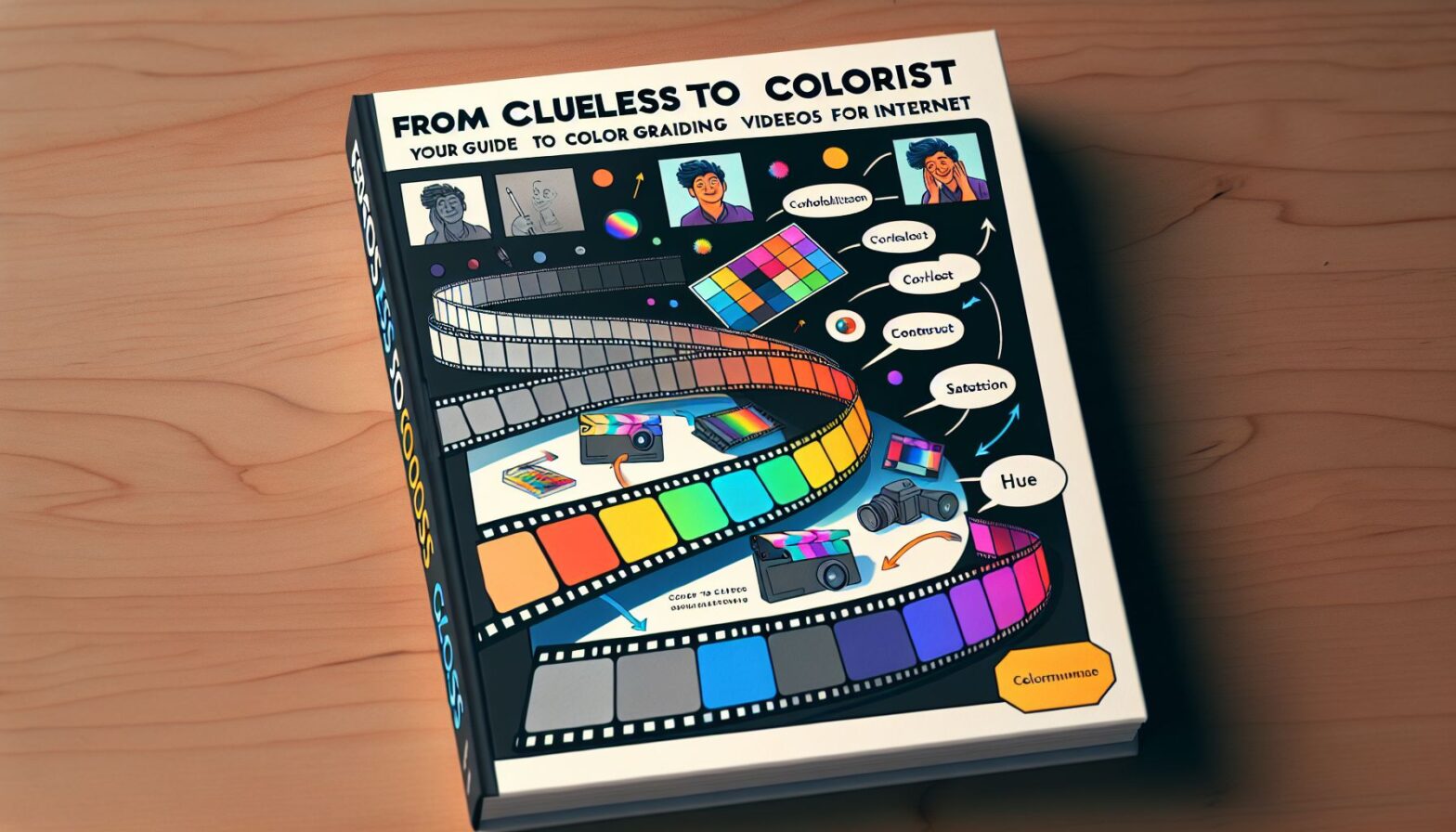
Clueless to Colorist: Your Guide to Color Grading Videos for the Internet

So you’ve dived headfirst into producing fabulous video content for your business. Bravo! You’ve written scripts with Hemmingway-like precision. Your camera setup could charm Scorsese. Your sound engineer rocks a mean noise-canceling mix. But your videos look, well… drab? Like someone placed a flat, grey filter on your hard-won ideas? You, my friend, need some juicy color grading tips. After all, color grading is the secret sauce that turns your Big Mac into a Five Guys Burger.

The Lemonade Stand Analogy

Imagine your latest video is a lemonade stand on a scorching summer’s day. Everybody’s thirsty (for content). Now picture two stands. One’s got the basics; lemonade, ice, a lukewarm smile. The other has vibrant, sparkly ice-cubes and ice-cold lemonade popping with color, served with a dazzling smile. Which stand would you go to? Exactly. Color grading your video content is like adding a pinch of salt to your otherwise bland lemonade. Still not sold? Read on.

So, What’s Color Grading Anyway?

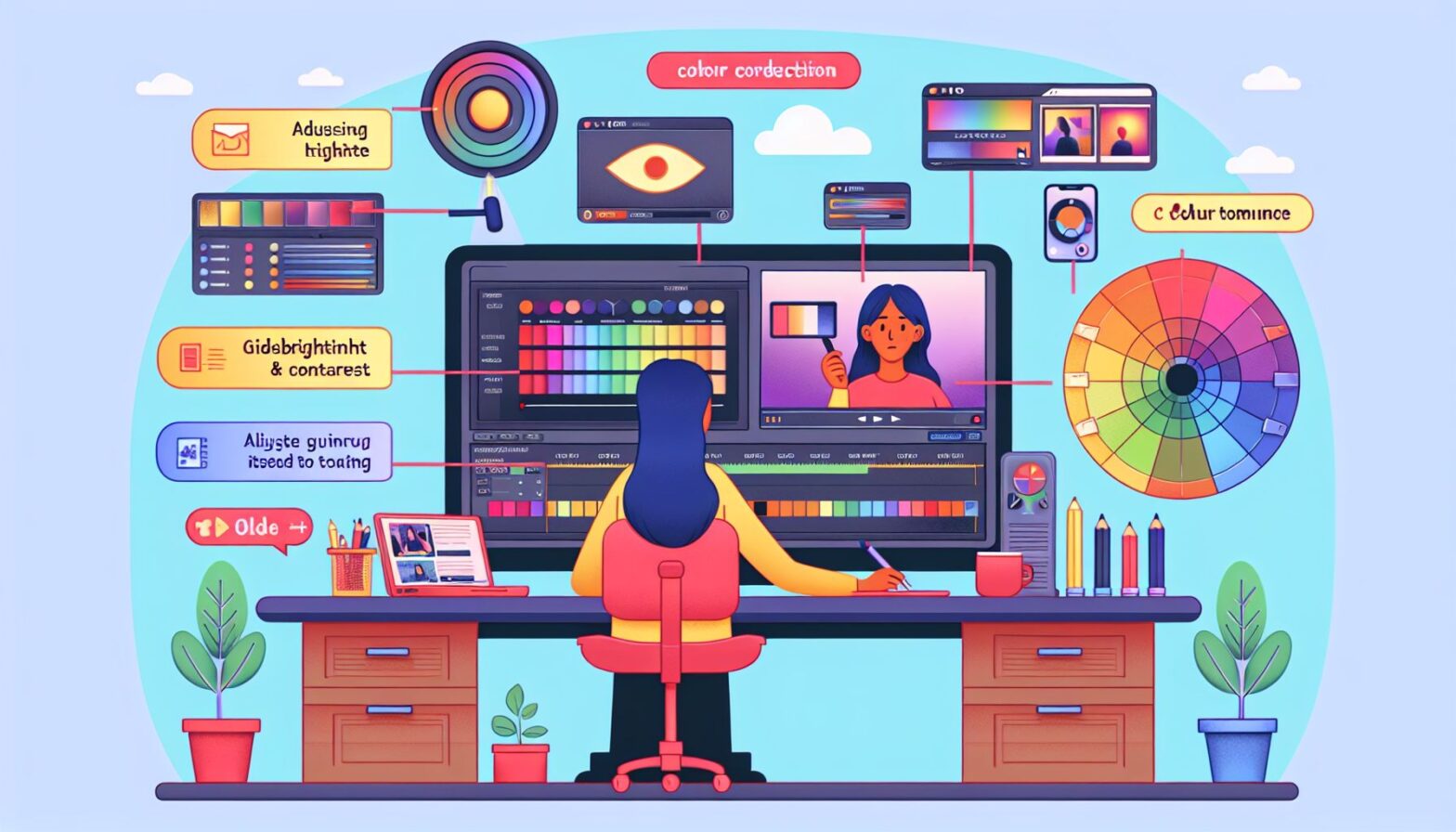
Great question, dear reader. In layman terms, it’s dialing up the aesthetic of your videos to serve your brand’s story better. Think ‘adjusting the color’, but for pros. Yes, your iPhone’s snazzy ‘auto-enhance’ button isn’t going to cut it here. Color grading involves modifying various aspects like exposure, contrast, highlights, saturation, and lowlights to create the desired effect.

Moving on Up: Color Grading like a Pro

So, you’re ready to graduate from auto-enhance. Fear not. There’s an endless sea of online tools and software to help you color grade your streaming content like a geeky CNN news producer. Some popular options include DaVinci Resolve, Adobe Premiere Pro, and FilmoraPro. Some are free; others need your credit card. If you’ve got your sound engineer wearing double hats, multi-language professional software may be the way to go.

Have a Plan, Janet!

Spontaneity is fantastic for your weekend camping trips, but color grading? Not so much. You need a well-thought-out style guide that compliments your brand’s message. Color grading should produce a specific reaction from your viewers—whether it’s mindfulness from cool blues or excitement from vibrant reds. So make a mood board, research color theory, discuss with your team. A stitch in the time of planning saves nine head-scratching moments of “why does this look weird?”

Practice Bit by Bit

We hate to break it to you, but you won’t become a color grading wizard overnight. But we’ve come up with a revolutionary method called The Onion Technique. Think of your video as an onion (no, not because it’s making you cry). Peel off layer by layer instead of trying to chop it all at once. Practice grading short clips, then improve and apply what you’ve learned on your next clip, and so on. You’ll be slicing that onion without tearing up in no time.

Know When to Stop

We can’t stress this enough. Look at color grading like your mother-in-law’s fruit cake. A smidge of spice here, a dash there: lovely. But too much? A disaster. Overdoing the grading can make your video look unnatural and off-putting. Try keeping an original clip for reference while you’re working. That way, you won’t stray too far from reality in your pursuit of perfection.

Conclusion

In the immortal words of Gandalf, “All we have to decide is what to do with the time that is given to us.” And luckily for you, color grading is a rabbit hole worth venturing into, especially if you’re looking to improve the quality of your business’s online content. Remember, the Internet is like a vast ocean filled with countless fish (or lemonade stands!). By investing time, effort, and a dash of humor into color grading, your content can stand out, making all other fishes (sorry, lemonade stands) pale in comparison.

Even if your sound engineer is on a well-deserved break and your filming equipment is gathering dust, the art of color grading will be an arrow in your quiver that continues to undeniably add value to your video content in the digital age.

So go on, dip your toes (or jump headfirst, we don’t judge) into the world of color grading. Polish that flatly lit lemonade stand of a business video into a Scrystal-clear, well-contrast, and vibrantly attractive selling point that calls viewers to action.

Remember, in the world of online video content, color grading isn’t an option. It’s a survival skill. Good luck, and happy grading!

Mastering the Art of Color Grading Videos for the Internet

As a producer, you likely understand the significant role of color grading in creating visually appealing videos that speak to your audience. In the vast ocean of digital content, captivating visuals are the lighthooks that draw viewer attention.

This post delves into the crux of color grading. It aims to equip you with knowledge on how to expertly maneuver through the process, thereby giving your videos that professional, captivating look that viewers won’t scroll past.

Grasping the Basics

Before getting into the technicalities, it’s crucial to grasp some essential color grading terminologies. After all, color grading is more than just about making your video look aesthetically pleasing. If done right, it can help enhance the narrative and mood of your production.

Hue, Saturation, and Luminance (HSL)

  • Hue: This is simply what we refer to as color. It’s what distinguishes red from blue, yellow from green, etc.
  • Saturation: This refers to the intensity or purity of a color. Higher saturation levels result in vivid colors, while lower saturation leads to desaturated or muted colors.
  • Luminance: This pertains to the brightness level of a color.

Understanding and manipulating these elements in your grading process can significantly enhance the look and feel of your video.

Understanding Color Theory

Color grading, just like any other aspect of video production, requires a certain level of creativity. You need to understand how different colors interact and how they can affect your audience’s perceptions. For instance, warm tones (reds, yellows, oranges) generally evoke feelings of happiness or excitement, while cool tones (blues, greens, purples) convey calmness or sadness.

The Grading Process

With the basics out of the way, it’s now time to get down to the grading process itself.

  1. Correcting – This involves adjusting aspects like white balance, exposure, and contrast to create a neutral baseline.
  2. Grading – This is the creative part where you apply different looks to establish the mood or tone of the scene.
  3. Matching – This ensures consistency across shots by making sure they all look like they belong in the same world.

Tools for Color Grading

There are numerous tools available for color grading, from professional standalone applications like DaVinci Resolve to integrated features in editing software like Adobe Premiere Pro or Final Cut Pro.

These tools come with a plethora of features to enhance your videos. For instance, many offer audio effects (Sound FX) that can elevate viewers’ immersive experience in your content.

Techniques for Effective Grading

  • Use of color wheels – Color wheels allow for precise control over the hues and tones in your video.
  • Secondary color correction – This allows you to isolate and adjust individual colors for fine-tuning.
  • Utilize look-up tables (LUTs) – These are pre-designed color palettes that can deliver quick, professional-looking results. Just be sure to choose one that fits your video’s mood and narrative.

Conclusion

Color grading is more than just a post-production polish; it’s a pivotal part of telling your story. While it takes time to fully master, understanding the basics can significantly enhance your video’s appeal.

Remember that practice is paramount. The more you experiment with different techniques and tools, the better your proficiency will become. Before long, you’ll find yourself producing eye-catching, emotionally resonant videos that stand strong amidst the turbulent waters of internet content.

In today’s world, your videos don’t just compete against your direct competition. They compete against everything on the internet. Learning the art of color grading is one vital step toward making your videos truly worth watching. Don’t just tell your story; show it in color.

How to Color Grade Videos for the Internet: A Digital Marketer’s Guide

Welcome, digital marketers! In today’s fast-paced world of online content, creating visually stunning videos is key to capturing your audience’s attention. One crucial aspect of video production is color grading, the process of enhancing or altering the color of a video to achieve a desired look. Whether you’re creating promotional videos, tutorials, or product demos, understanding how to effectively color grade your videos for the internet can make all the difference in engaging your viewers and conveying your message effectively.

Why Color Grading Matters

Color grading can greatly impact how your audience perceives your content. The right color scheme can evoke emotions, set the tone of your video, and create a cohesive visual identity for your brand. On the other hand, poorly executed color grading can leave your videos looking amateurish or distract viewers from your message. By mastering the art of color grading, you can make your videos stand out in a crowded digital landscape.

Tools of the Trade

Before diving into color grading, it’s essential to have the right tools at your disposal. Software programs like Adobe Premiere Pro, Final Cut Pro, and DaVinci Resolve offer powerful color grading capabilities that can help you achieve professional-looking results. Additionally, investing in a calibrated monitor and understanding color theory can further enhance your color grading skills.

Understanding Color Theory

Color theory is a fundamental aspect of color grading that can help you create visually appealing videos. By understanding the basics of color theory, you can effectively use color to convey emotion, create contrast, and enhance the overall visual impact of your videos. Consider using complementary colors to create a harmonious color palette, or using color grading techniques like split toning to add depth and dimension to your videos.

Tips for Effective Color Grading

Now that you have the right tools and a basic understanding of color theory, here are some tips for effectively color grading your videos for the internet:

  1. White Balance: Start by setting the white balance of your footage to ensure accurate colors.

  2. Contrast: Adjust the contrast of your video to enhance details and make your colors pop.

  3. Exposure: Correct the exposure of your footage to ensure consistent lighting throughout your video.

  4. Saturation: Use saturation to control the intensity of colors in your video.

  5. Color Wheels/ Curves: Experiment with color wheels and curves to fine-tune the colors in your video.

  6. LUTs: Consider using LUTs (Look-Up Tables) to quickly apply a specific color grade to your footage.

Conclusion

Color grading is a powerful tool that can elevate the quality of your videos and help you connect with your audience on a deeper level. By mastering the art of color grading and understanding how to effectively use color to convey emotion and enhance your message, you can create visually stunning videos that leave a lasting impression on your viewers. So grab your favorite editing software, experiment with different color grading techniques, and let your creativity shine through in your videos for the internet!

Lights, Camera, Action! A Guide to Producing Video for Marketing

So, you’ve decided to take the plunge and incorporate video into your marketing strategy. Congratulations! This is a fantastic decision, as video is a powerful tool for engaging with your audience and driving brand awareness. However, the world of video production can seem daunting, especially if you’re new to the game. But fear not, fellow producer! I’m here to guide you through the process and help you create compelling videos that will take your marketing to the next level.

The Importance of Video Advertising

Before we dive into the nitty-gritty of video production, let’s take a moment to understand why video advertising is so crucial in today’s digital landscape. Did you know that 85% of consumers say they would like to see more video content from brands? That’s a staggering statistic that highlights the power of video in capturing your audience’s attention.

Video advertising allows you to tell your brand’s story in a visually engaging way, which can help you connect with your target audience on a deeper level. Not only does it increase brand awareness, but it also boosts engagement and can lead to higher conversion rates. In fact, studies have shown that videos can increase purchase intent by 97% and brand association by 139%.

Planning Your Video Production

Now that you’re sold on the power of video advertising, it’s time to start planning your production. The first step is to define your goals and target audience. What do you hope to achieve with this video? Who are you trying to reach? Understanding your objectives will help shape the direction of your video and ensure that it resonates with your intended audience.

Next, it’s time to map out the creative elements of your video, such as the script, storyboard, and visual style. This is where your brand’s personality can shine through, so don’t be afraid to get creative and think outside the box. Consider incorporating elements like animation, live-action footage, or customer testimonials to keep your audience engaged.

Post-Production Magic

Once you’ve captured all of the necessary footage, it’s time to work your magic in the editing room. Post-production is where you bring your video to life, adding in music, graphics, and special effects to enhance the viewing experience. This is your chance to fine-tune the pacing, color grading, and sound design of your video to ensure it looks and sounds polished.

When editing your video, keep in mind the platforms where you intend to share it. Different platforms have different specifications for video length, aspect ratio, and file format, so be sure to optimize your video accordingly. Whether you’re posting on social media, your website, or a video-sharing platform, you want your video to look its best and be easily accessible to your audience.

Engaging Your Audience

Congratulations, you’ve produced an amazing video that showcases your brand in all its glory. Now what? It’s time to share your video with the world and engage your audience. Consider using social media to promote your video, as platforms like Facebook, Instagram, and YouTube are great for reaching a wide audience and driving engagement.

You can also leverage email marketing to share your video with your subscriber list, or embed your video on your website to capture the attention of visitors. Additionally, consider incorporating paid advertising to boost the reach of your video and drive traffic to your website. The possibilities are endless when it comes to engaging your audience with video advertising.

Conclusion

In conclusion, producing video for marketing is a powerful way to connect with your audience and drive brand awareness. By planning your video production, perfecting your post-production, and engaging your audience, you can create compelling videos that resonate with your target audience and help you achieve your marketing goals.

So, what are you waiting for? Lights, camera, action! It’s time to take your marketing to the next level with video advertising. Happy producing!

With these tips in mind, you’re well on your way to creating compelling videos that will captivate your audience and elevate your brand. Lights, camera, action – it’s time to make some marketing magic!